
What Is The Best Way To Bind A Thesis?
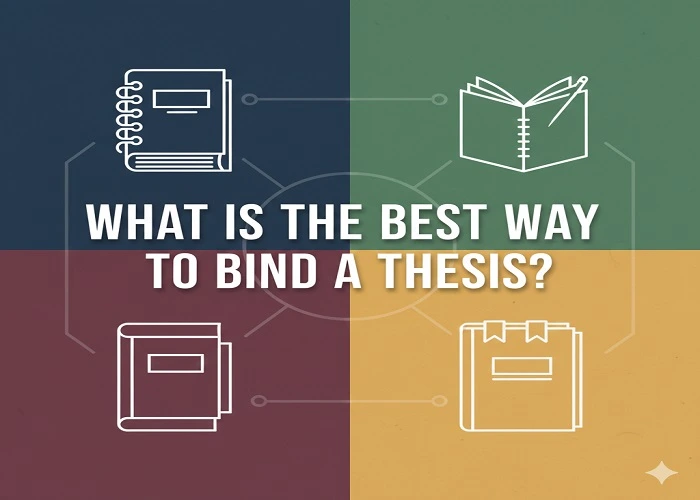
The best thesis binding depends on your University rules, budget, and how long you want your thesis to last. A good binding makes your work look professional and protects it for years. In this blog, we will explore the top binding options and how to choose the best one.
Writing a thesis is like running a marathon. You plan, research, write, edit, and then you finally reach the finish line. But then comes the last step, which is binding. And this step often surprises students because it is more important than it looks.
A thesis is not just a document. It is your hard work, your long hours, and your academic journey. So it should look professional, feel strong, and last for years. The right binding can protect your pages, keep everything neat, and make your thesis look official.
The goal is to make your thesis look like something you are proud to present. So let’s talk about the best ways to bind a thesis, what works best, and what you should avoid.
What Are the Main Ways to Bind a Thesis? Simple and Clear
When students ask this question, the answer is simple:
“There are many options, but the best one depends on what your University requires and how long you want the thesis to last.”
The most common binding methods are spiral, thermal, perfect, and hardcover. Each one has its own benefits, and some are better for short-term use while others are more durable. Many students in Canada also search for thesis binding Canada because it helps them find the best local services and the right binding options for their University.
1. Spiral Binding and Why Many Students Choose It
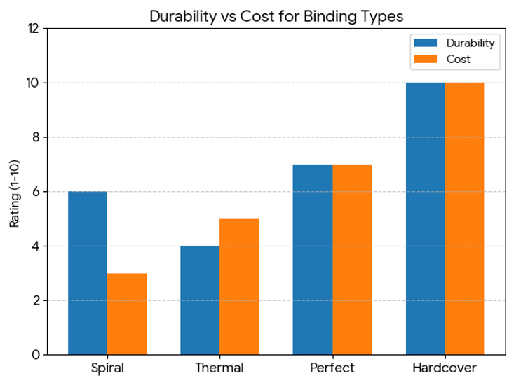
Spiral binding is popular because it is affordable and easy to use for book review services. The pages open flat, making it easy to read and review. Many students choose this option when they need a quick and neat look.
But the downside is that spiral binding is not very durable. If you want your thesis to stay perfect for years, spiral binding may not be the best choice.
2. Thermal Binding (A Clean and Professional Look)
Thermal binding looks more professional than spiral binding. It uses heat to glue the pages together. The result is a smooth and clean finish. Many students like thermal binding because it looks like a real book.
However, thermal binding is not as strong as hardcover binding. Over time, the glue may weaken, especially if the thesis is used frequently.
3. Perfect Binding (Looks Like a Paperback Book)
Perfect binding is the method used for paperback books. It gives a very professional and polished look. The pages are glued together, and the cover wraps around like a book. This is a good choice if you want your thesis to look like a real book, but you do not want to pay for a hardcover. Perfect binding is strong, but it still may not be as durable as hardcover binding.
4. Hardcover Binding (The Most Durable Option)
Hardcover binding is the most durable and professional option. It is perfect if you want your thesis to last for years. It looks official and strong, and it protects the pages very well.
The downside is that hardcover binding is more expensive. But if you want your thesis to feel important and long-lasting, this is the best choice.
What Should You Consider Before Choosing a Binding Method?
Before you choose, ask yourself a few simple questions. What does your University require? Do you want your thesis to last for many years? Do you want a simple look or a very professional look?
The answer is not always about the cheapest option. Sometimes it is about what feels right for your work. Your thesis is your final result, so it should look like a finished product, not a temporary document.
How Do You Know Which Binding Is Best for Your Thesis?
The best binding option depends on your goal. If you are looking for something cheap and quick, spiral binding is the best option. If you want something that looks professional, then perfect or thermal binding is a better option. However, if you want something that lasts for a long time, then a hardcover is the best option.
But here is the real truth:
Most students choose based on what their university accepts. Some schools only accept hardcover. Others allow spiral or thermal. The first step is always to check your university’s rules.
Which Binding Should You Choose?
| Binding Type | Looks Professional? | Lasts Long? | Affordable? | Best For |
| Spiral | No | Medium | Yes | Quick submissions |
| Thermal | Yes | Medium | Yes | Professional book |
| Perfect | Yes | Medium-High | Medium | Book-line thesis |
| Hardcover | Yes | Very Long | No | Final copies & archives |
This table makes it easier to choose because you can see the differences at a glance.
If your thesis is your final achievement, it is worth choosing a binding that feels strong and professional.
Is Printing Quality Important for Binding? Yes, It Matters
Many students only focus on binding, but printing quality is just as important. If the pages are not printed clearly, the binding will not look good. You want clean text, sharp images, and no smudges.
That is why many students look for a good printing service before binding. When the printing is perfect, the binding feels more professional and stronger. Many students also search for custom book printing services near me to find nearby shops that offer both printing and binding services.
What Are the Common Mistakes Students Make in Thesis Binding?
Many students focus only on the writing and forget that the final presentation matters too. And that’s when mistakes happen. Here are the most common ones, based on real student experiences.
- First, many students choose the wrong binding method without checking the university rules. This leads to stress at the last minute. Think of finishing your thesis, only to find out your binding isn’t accepted. It’s a real problem.
- Second, some students do not check the printing quality before binding. The result is blurry pages or faded ink. And once it’s bound, you cannot fix it easily. A thesis should look clean and sharp, because it represents your hard work.
- Third, many students ignore the spine and cover details. The cover should include your name, title, University, and year. If this information is missing or looks messy, it reduces the professional look.
- Finally, some students wait until the last day. Thesis binding can take time, especially if you choose hardcover. Waiting too long can cause rush fees or delays. It is always better to plan ahead.
Frequently Asked Questions
- What is the best way to bind a thesis for long-term use?
For long-term use, hardcover binding is the best choice. It keeps your pages protected and keeps the thesis strong long time. If you want your thesis to stay in perfect condition, then a hardcover is the best option.
- How long does thesis binding take?
This time really depends on the method. Spiral binding can be done quickly in only a few hours. On the other hand, hardcover binding can take a few days. It’s best to plan in advance and avoid a last-minute rush.
- Should I bind my thesis before or after printing?
You must print first and then bind. Binding is the final step, so make sure the print quality is perfect before you proceed.
The Ending Notes
Thesis binding may seem like a small step, but it is one of the most important parts of your academic journey. Your thesis shows your research, hard work, and dedication. It should feel strong, look professional, and last for years.
Deciding on the best binding option depends on the rules of the university, budget, and how long you want your thesis to stay safe. On the other hand, spiral binding is fast and affordable, while hardcover binding is durable and professional-looking. The most important thing is to plan ahead, check the quality, and choose a binding that truly represents your work.
If you want your thesis to feel like a real book and a proud achievement, take the time to choose the right binding. Your future self will thank you.